Maximilian Götzen Artworks
"A good painting should reveal the unseen, not just the obvious".
““Pop art work should think faster than the artist, every line is then a decision that the artist didn’t necessarily mean to make.”
" I paint not to confirm what I know, but to discover what I don’t."
Please follow any of the links to purchase a high quality, hand signed, limited edition print of the artworks shown on this page. To purchase any of my original works or for enquiries about exhibitions, please get in touch by email. Please Note: No NFTs, no SEO services, and no paid promotions.
High quality, hand signed prints are available in A2 (60 × 40 cm) from €244 and A1 (80 × 60 cm) from €289. Please click on any of the links below for further details. Larger, museum quality hand signed limited edition prints are available through my Singulart page. For enquiries or to purchase any of my original works, please contact me directly by email.
What is it that compels a person to create?
Is one an artist because one paints, or does one paint because one is an artist?
Those artists who are afraid that they may be imitating something, or someone, often end by producing nothing at all. In fearing repetition, they paralyse invention, forgetting that most acts of creation begin by standing on the shoulders of what has already been made
I have had many great teachers, to all of whom I owe a lasting debt of gratitude but perhaps my greatest teacher of all has been serendipity, my accidents and mistakes from which I have learned, and continue to learn
Bio:
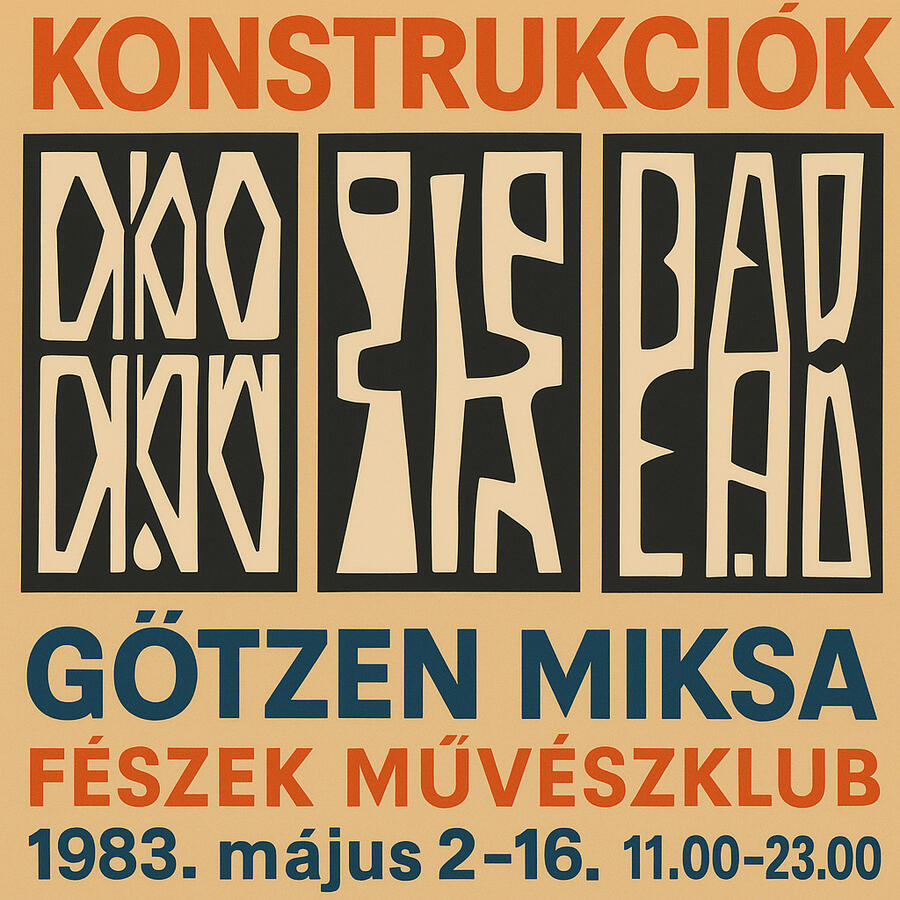
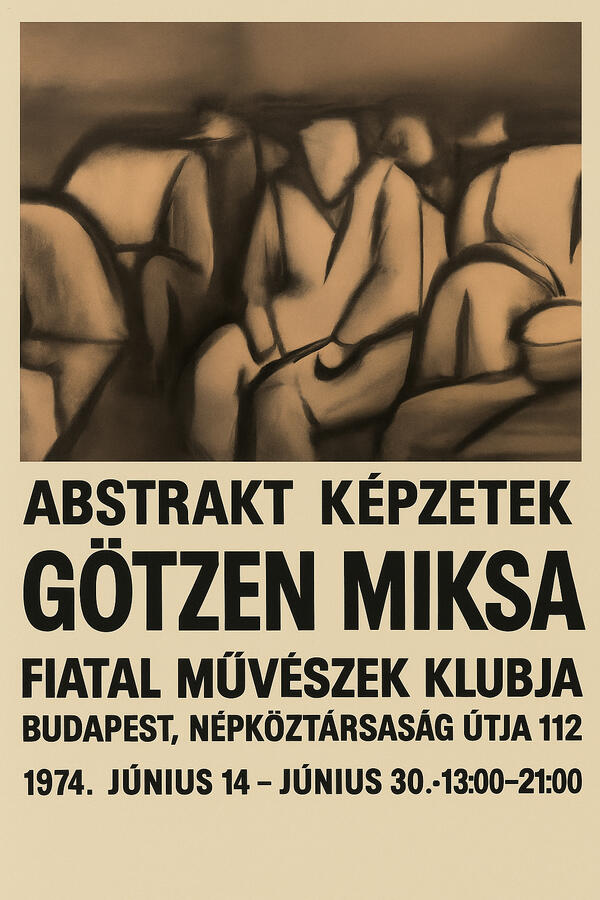
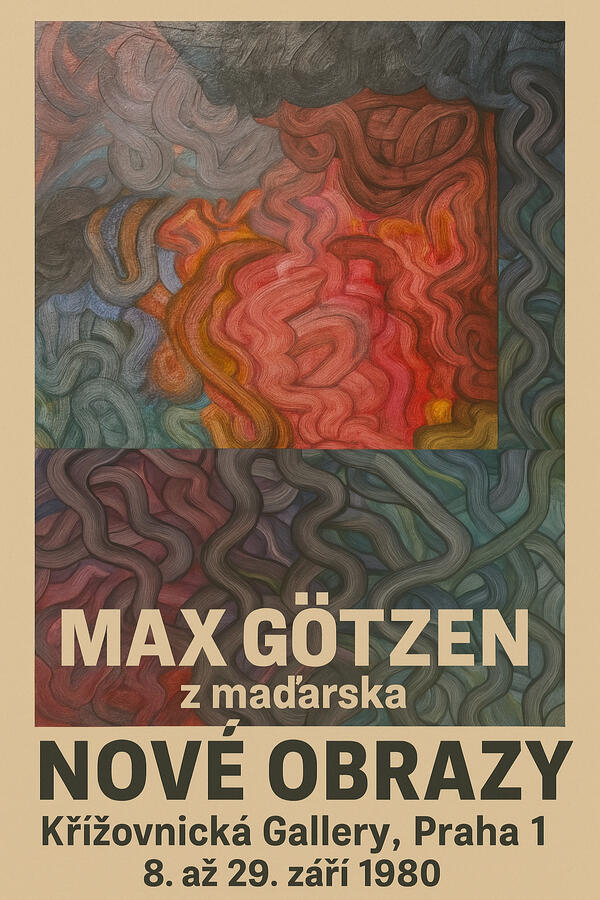
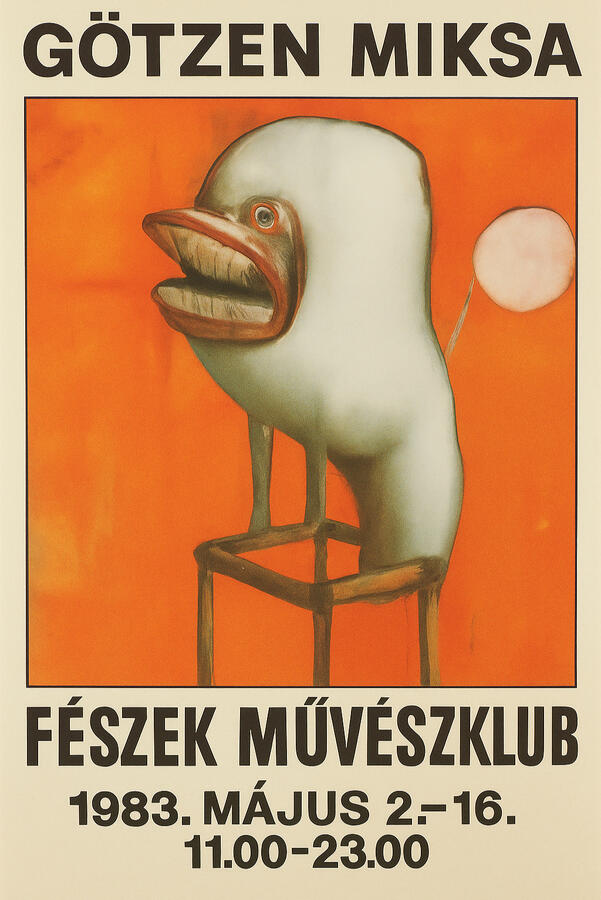
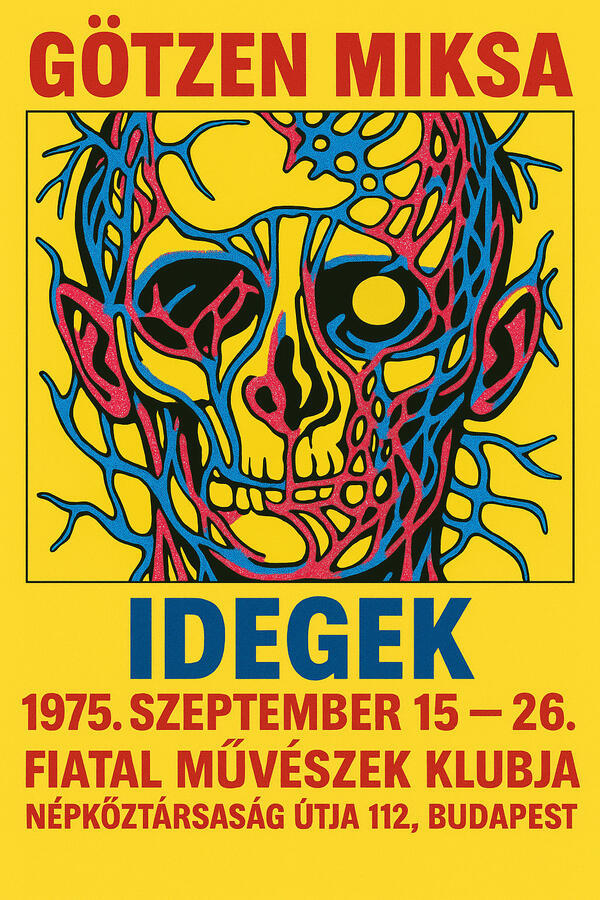
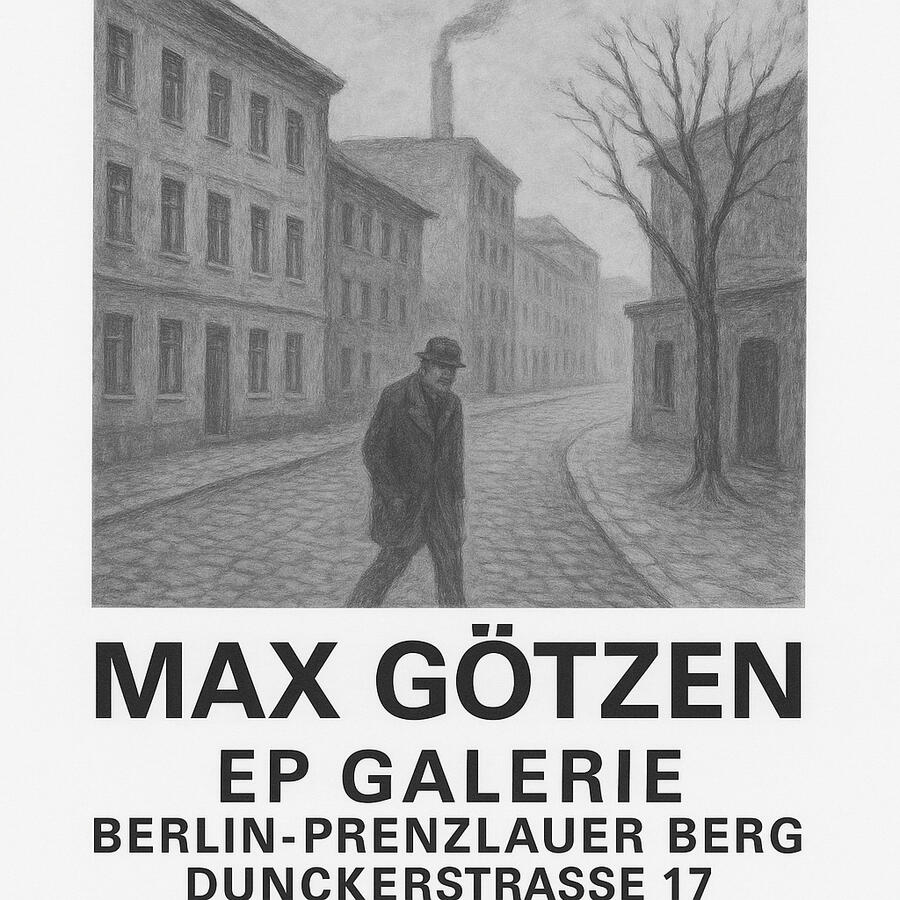
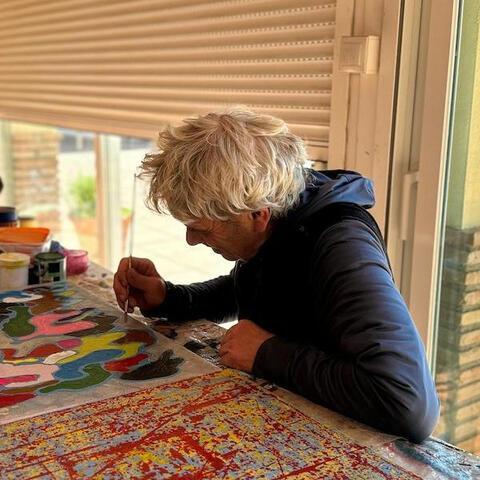
Born in Eastern Europe, Maximilian Gōtzen fled to the West, seeking safety and a future beyond the confines of a communist dictatorship. After completing his education he pursued studies in the history of art and studied under Peter Gee, Hein Heckroth, William Green and John LathamIn 1973, he was invited to visit Mark Tobey in Basel, an encounter that would prove both formative and unforgettable and later attended an exhibition featuring Roy Lichtenstein’s work which he credits with solidifying his resolve to become a painter.He held his first exhibition in 1974 and his work has since been shown in numerous exhibitions in Eastern Europe as well as the WestUntil the fall of the Iron Curtain, pop art was dismissed as decadent and therefore largely unexhibitable. Nevertheless, in the 1980s, he was twice chosen as Hungary’s top pop artist by Művészet magazine (The Journal of the Association of Hungarian Fine Artists) and in 1989, the prestigious Fészek Club voted him Hungary’s leading pop artist.In 2010, he moved to Spain where he continues to paint full-time.“I have always been drawn more to pop and geometric abstraction than to the figurative. I like to push the boundries between pop and surrealism. When I lived in New York, I knew Warhol and Haring quite well and met Basquiat.
Many of my ideas come to me in dreams. I then have to write them down. It makes for sleepless nights!
In the art world the word decorative is viewed as highly pejorative. Is it? Why would one want to put something hideous on one's wall?
Among "art investors" the work itself is largely immaterial, it's reduced to a carrier for a signature that guarantees liquidity and resale.
Top end art has become an investment commodity, from walls to vaults, from eyes to spreadsheets, circulating as capital while masquerading as culture.
Is everything art, is anything art? Bricks laid on a floor, fat glued on a chair, blood splattered on canvas? Art, like beauty, lives in the eye of the beholder -- and of course the hype.
If told that a room contains a $10 million artwork, you will stare at it for minutes. Encounter the very same thing walking along the street and it would not even merit a glance.
I once spent over an hour at the Rothko Chapel, hoping to understand what others saw in his works. I came out much the same philistine as I went in. It was, sadly, completely lost on me.
Contemporary art is something of a misnomer. We tend to think of it as modern, abstract, pop, or graffiti, yet every generation has had its own contemporary art. The works of Albrecht Dürer and Caravaggio were as contemporary in their day as any artwork created in the present.
CURATORIAL STATEMENT
Taken from Művészet Magyarországon
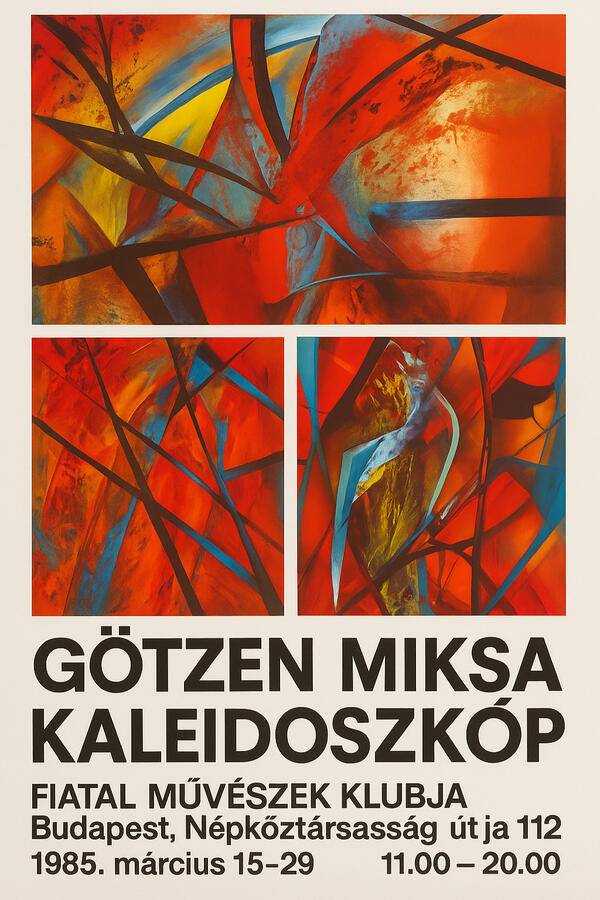
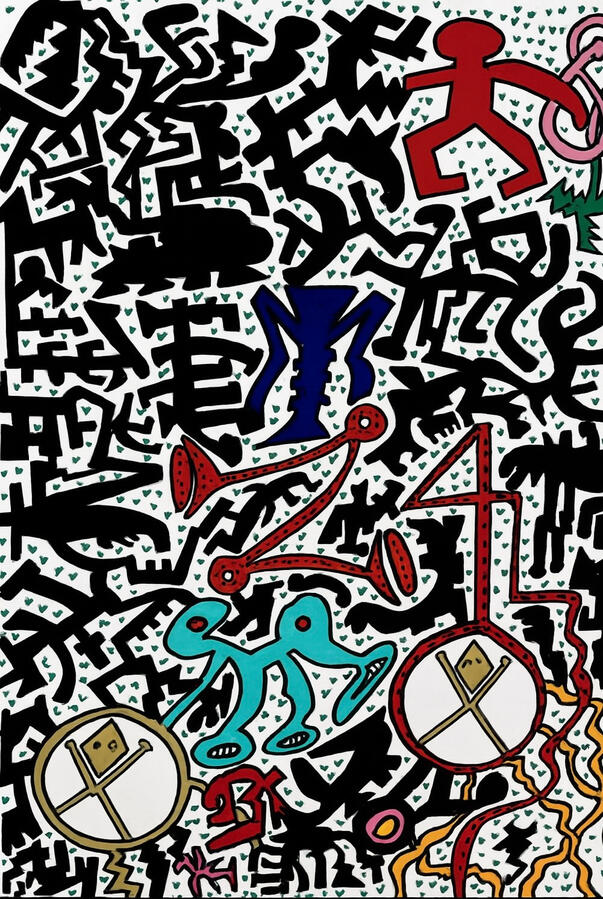
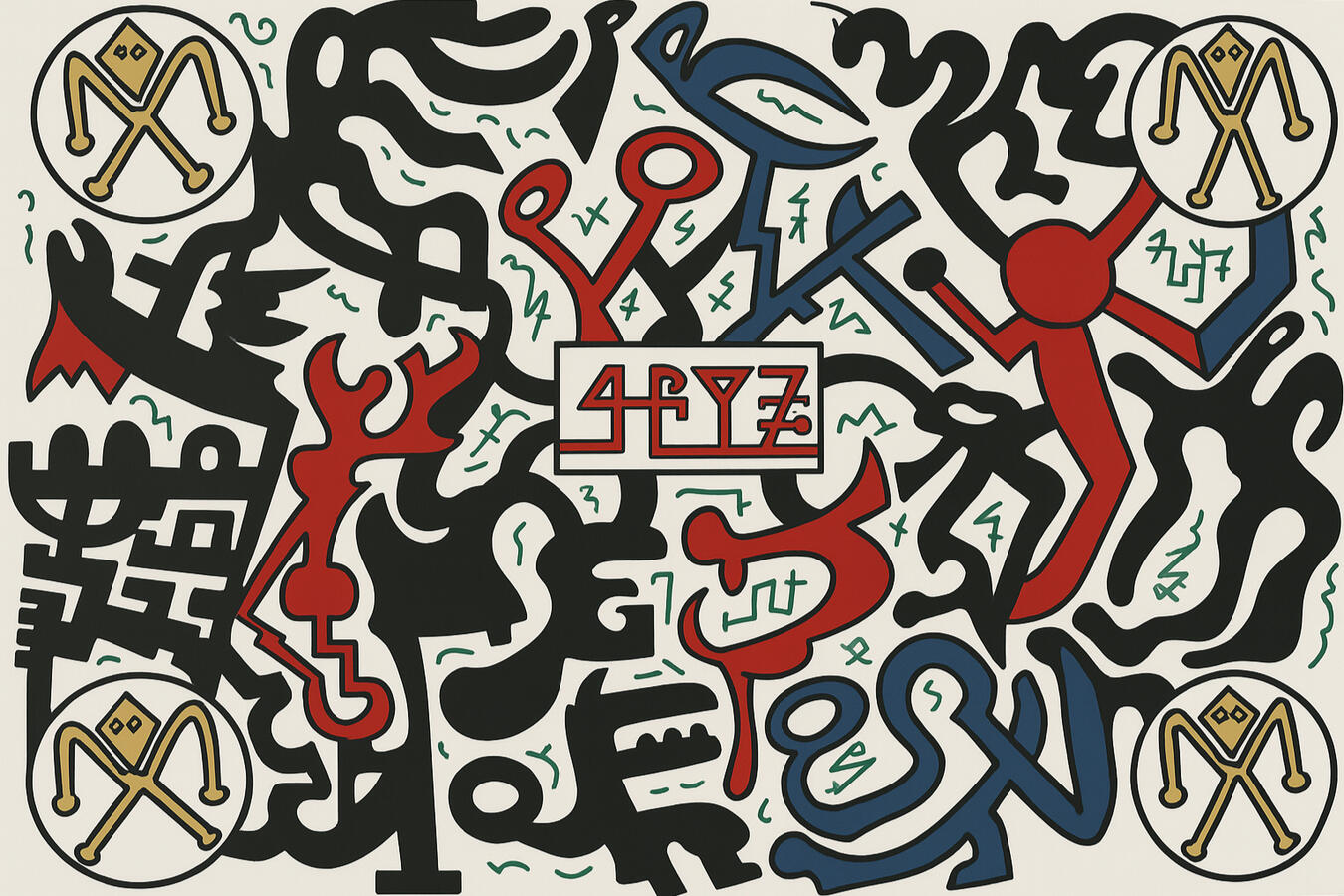
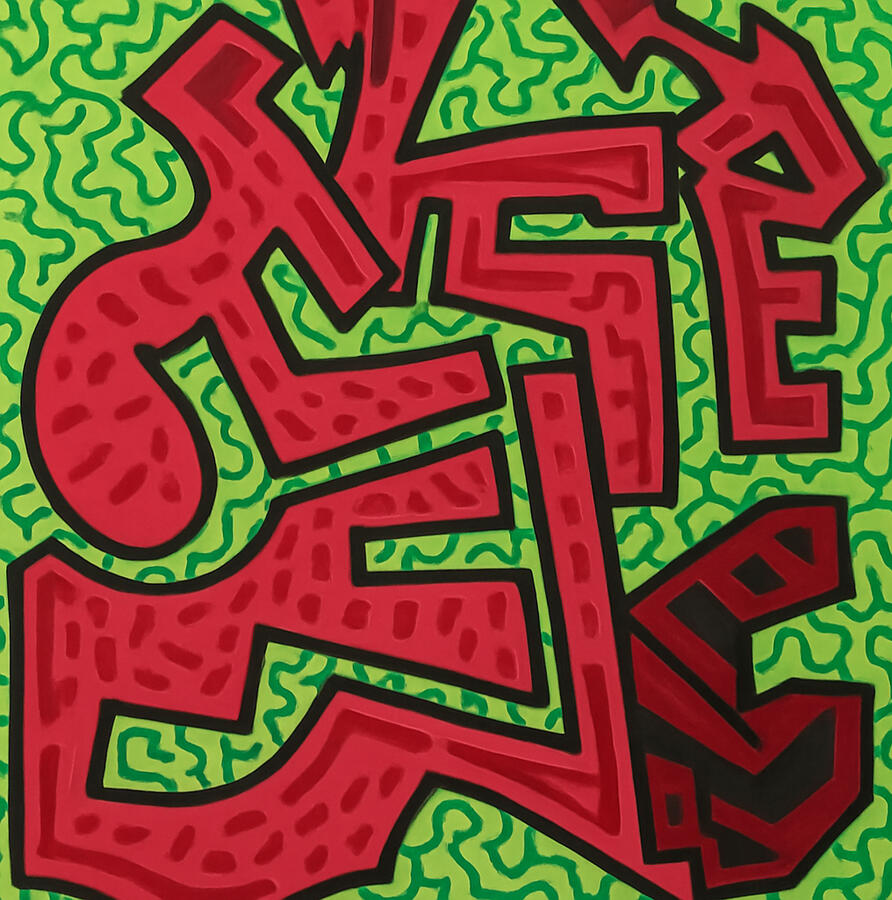
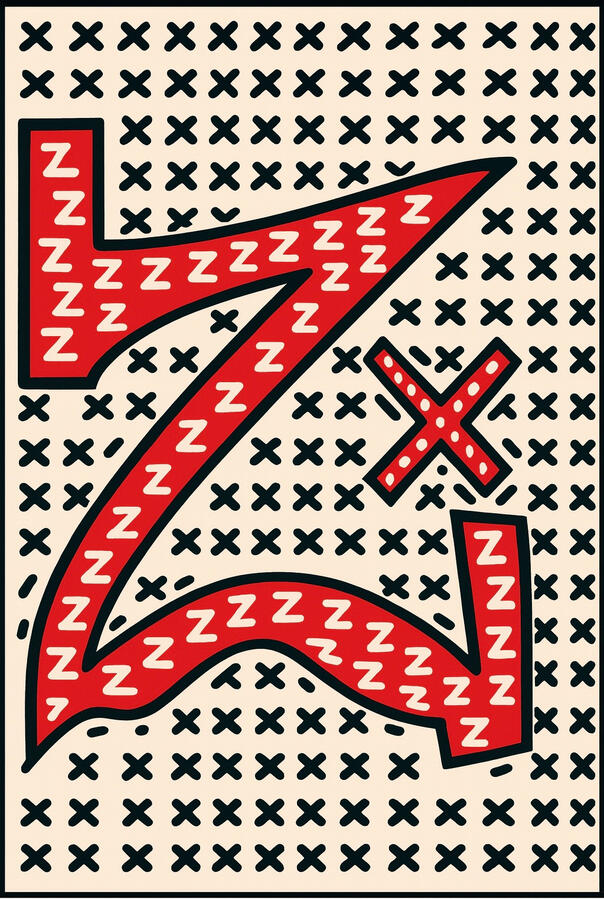
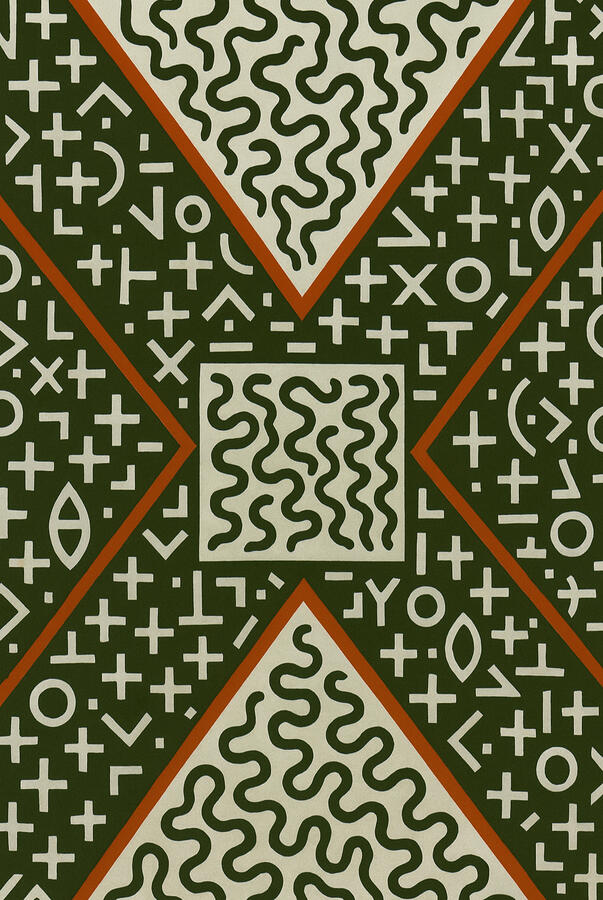
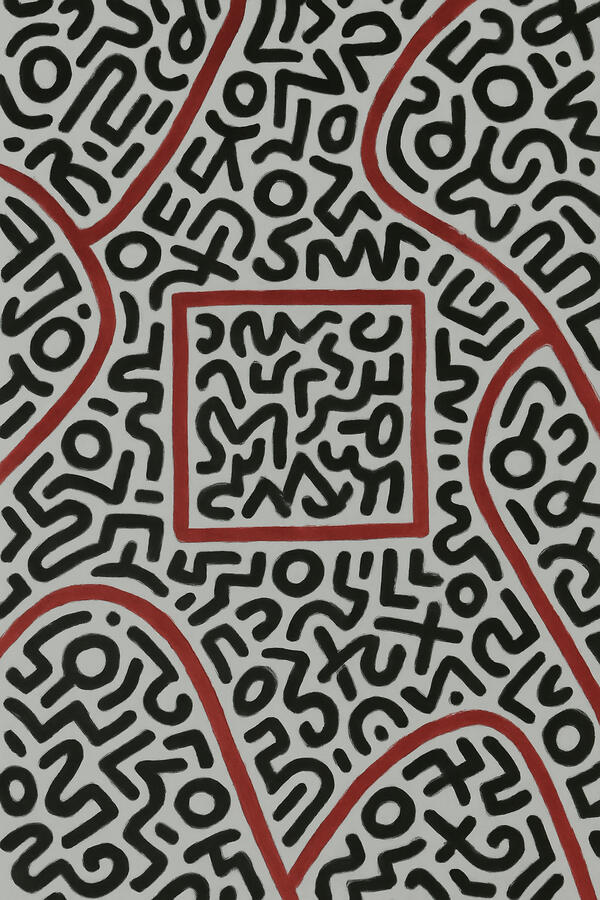
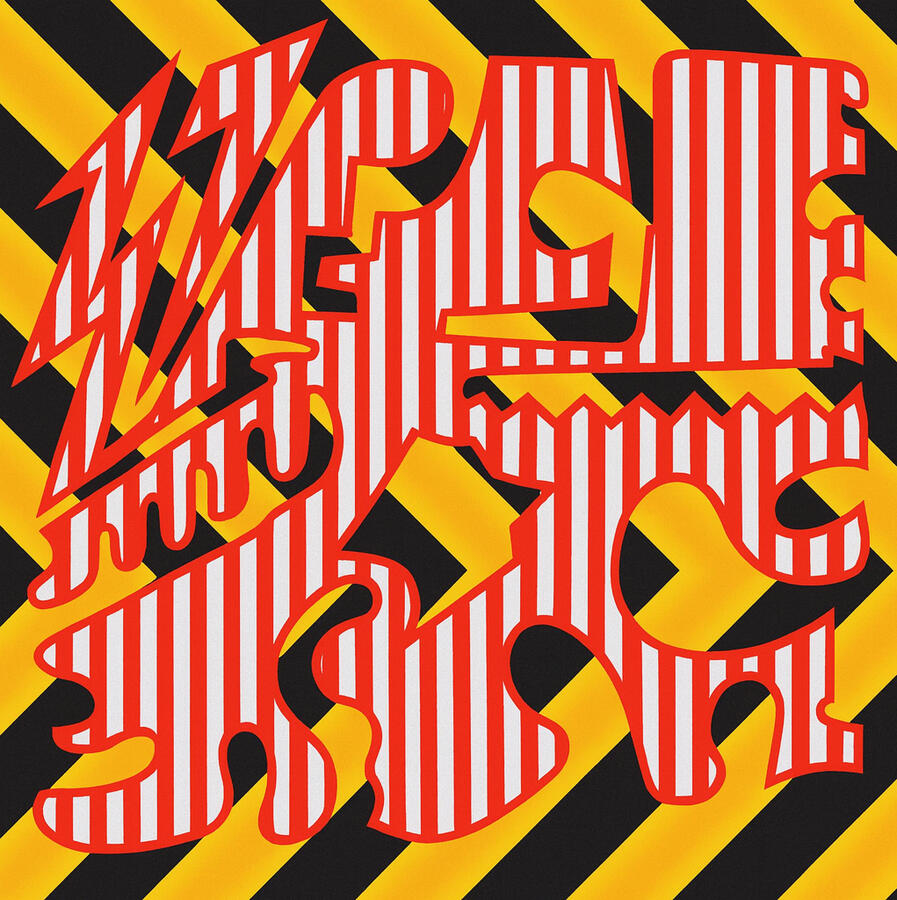
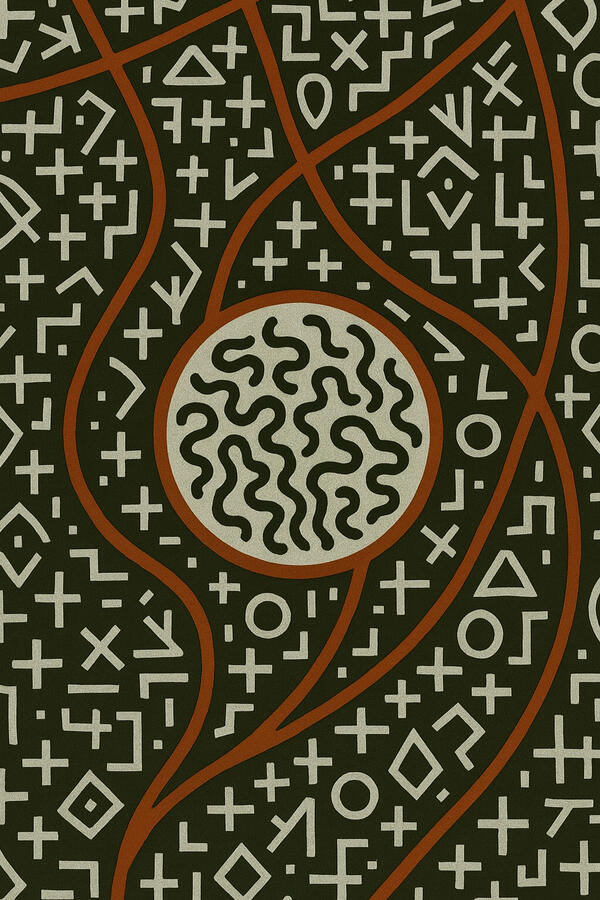
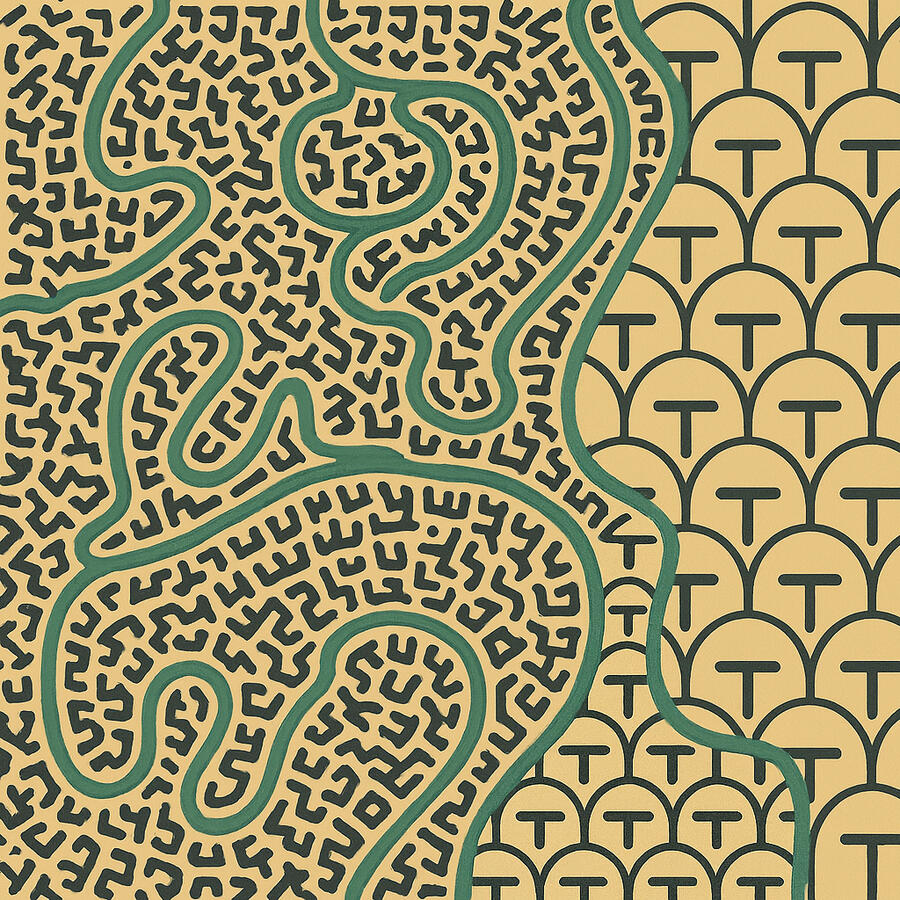
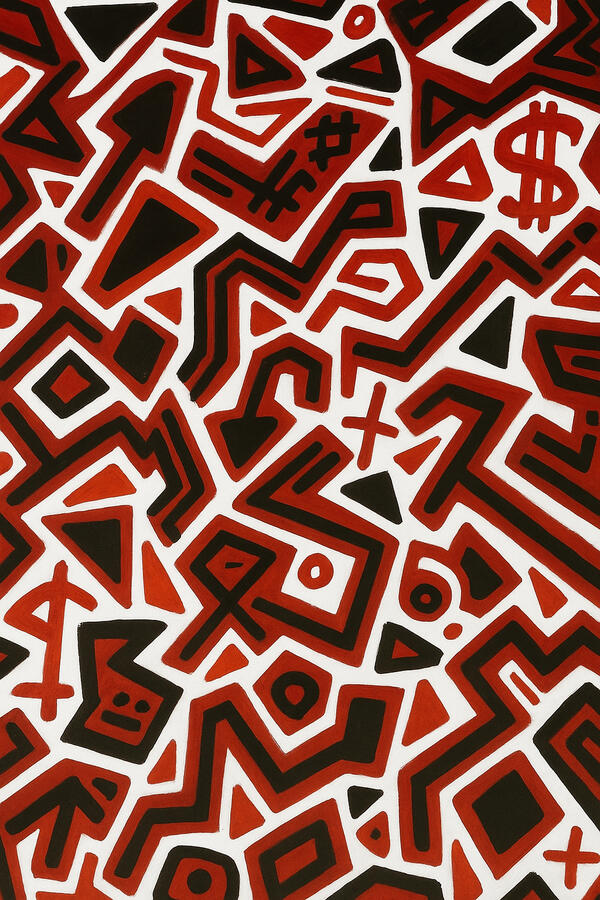
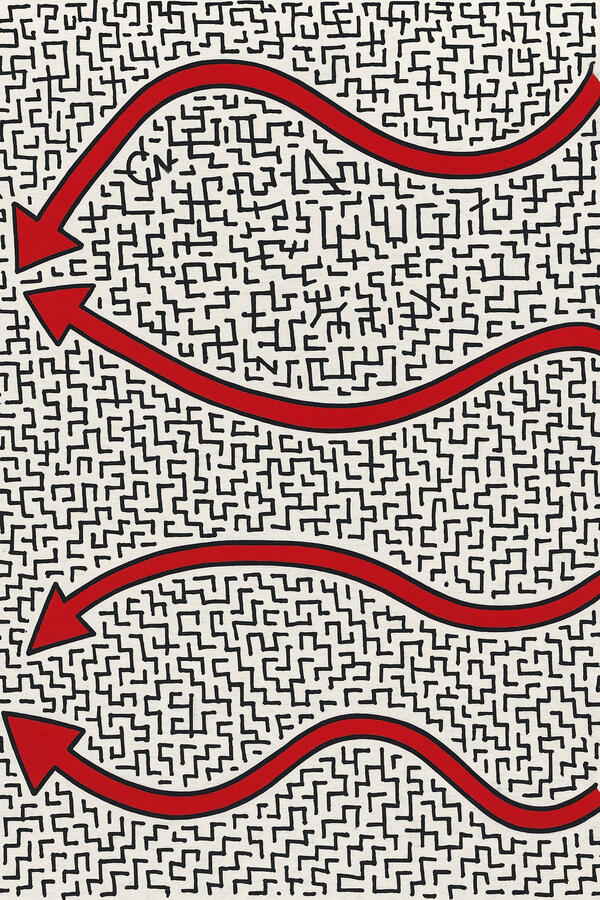
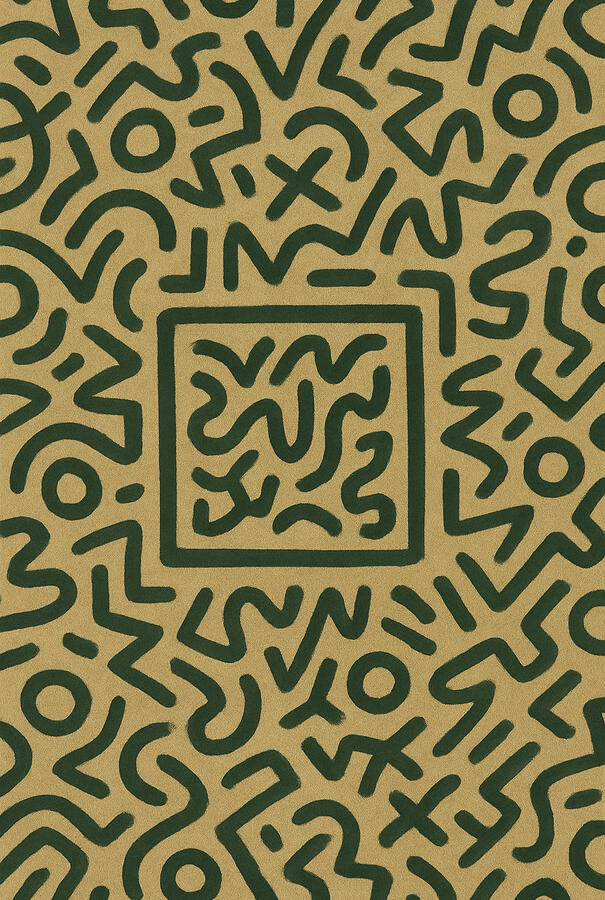
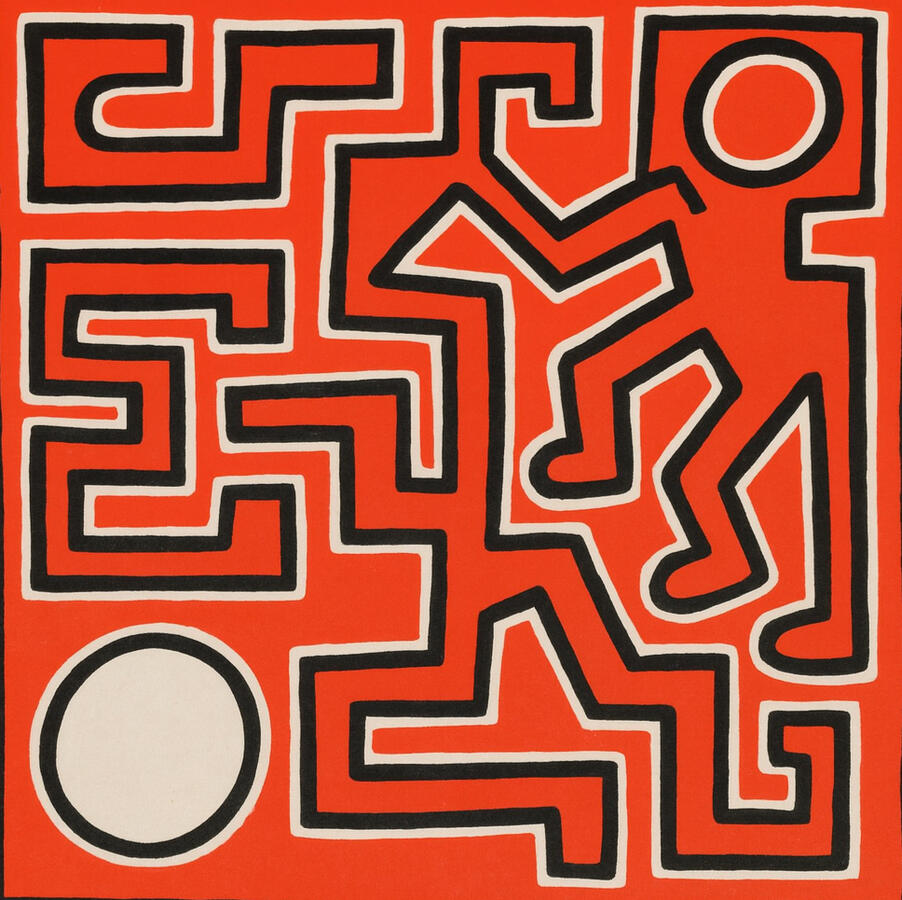
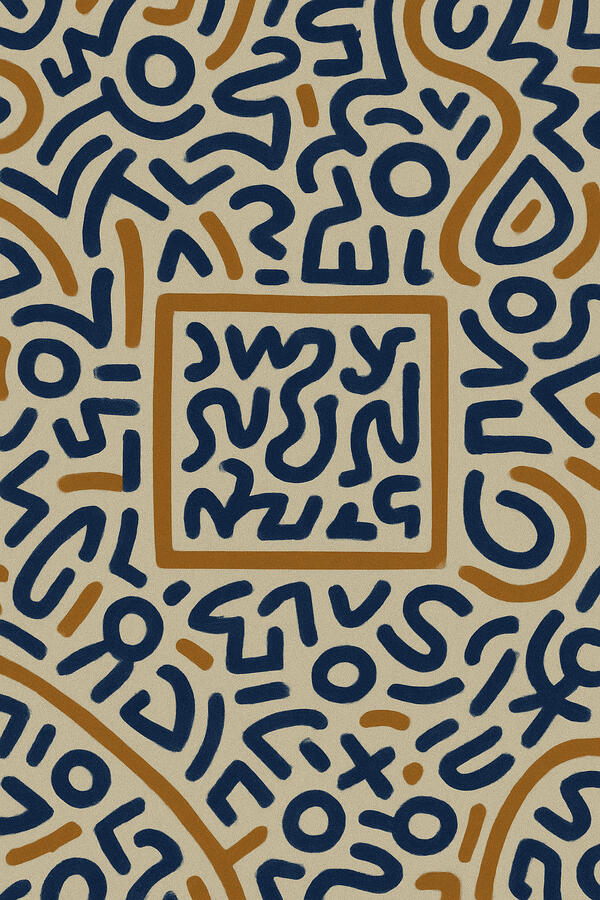
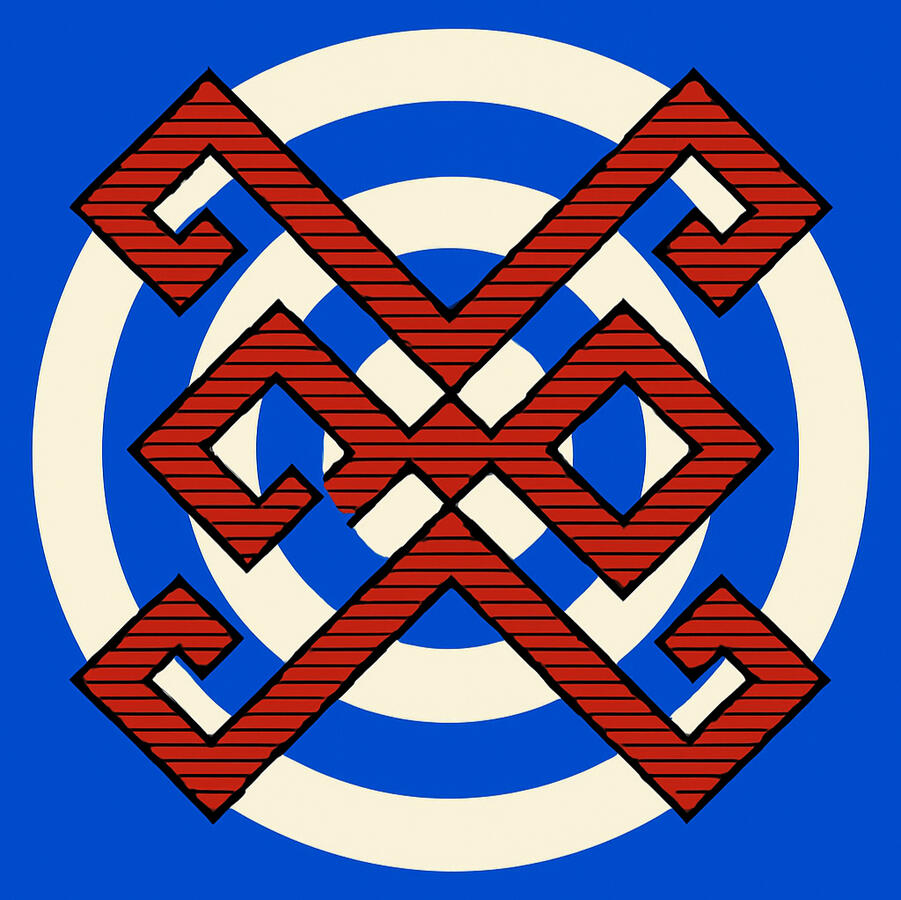
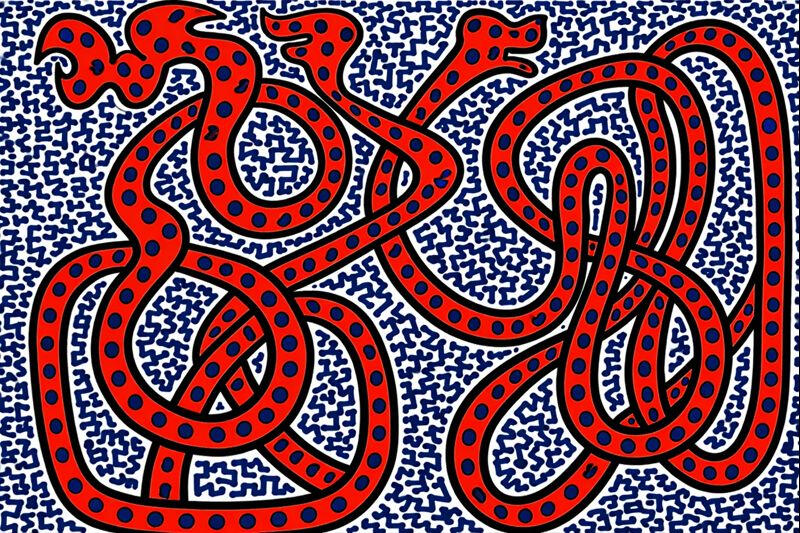
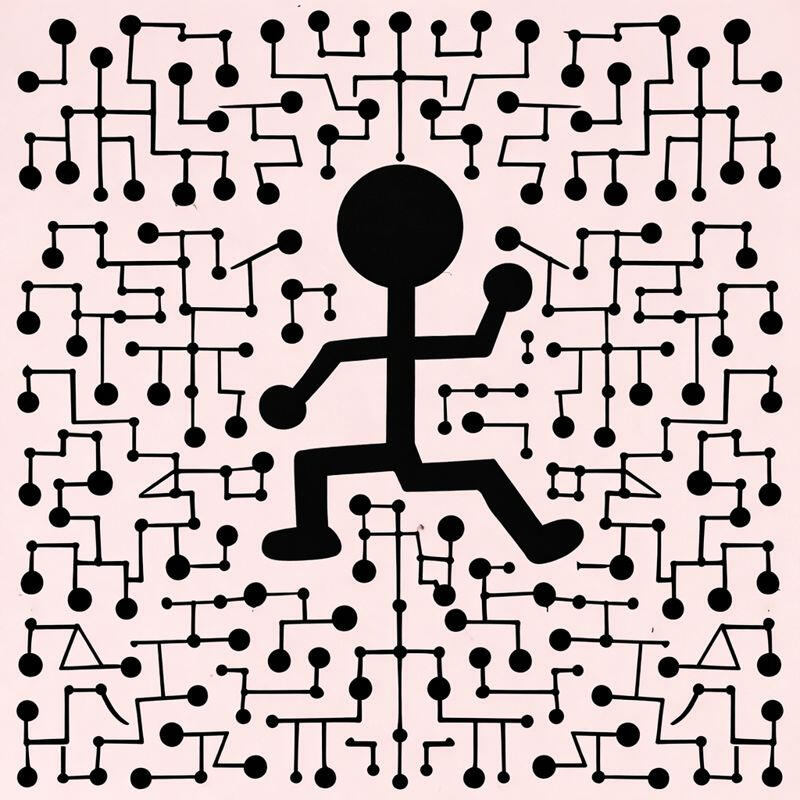
Maximilian Götzen is arguably our leading contemporary Pop artist, even though he now lives abroad. His work extends the language of Pop beyond imagery into systems and into Pop Abstraction. Rather than quoting mass culture directly, his paintings absorb Pop Art’s clarity, immediacy, and graphic authority and reconfigure them into architectures of thought. The result is a visual world composed of pop abstraction, pathways, nodes, symbols, and invented glyphs, part diagram, part language, part map.Across several interrelated modes of working, Götzen develops a unified vocabulary of signs: angular line labyrinths, circuit like routes, coded figures, and dense all over fields of calligraphic marks. While varied in rhythm and scale, these works share a single foundation, pop abstraction transformed into a structured, rule driven environment. Every element is intentional. Lines act as conduits, junctions as points of exchange, symbols as compressed units of meaning.The surfaces are engineered rather than improvised. Movement is routed, not gestural; space is organised through connection rather than illusion. Glyphs hover between legibility and opacity, resisting translation while retaining the visual punch and directness central to Pop Art. The paintings communicate instantly, even as they refuse to be read in any conventional sense.At the same time, the work carries a ritualistic and timeless charge. The symbols belong to no known script, yet feel familiar, as if drawn from a forgotten alphabet or a speculative future language. This tension between Pop immediacy and archaic resonance defines Götzen’s practice: circuitry and ceremony, algorithm and incantation, graphic impact and symbolic depth occupying the same surface.Götzen’s paintings are not representations but constructed environments. They suggest cities, codes, signals, and languages not to be decoded, but navigated. Meaning emerges through immersion rather than interpretation. In this way, the work asserts that Pop Art and Pop Abstraction need not remain tied to imagery alone: when abstraction is rigorously organised, it can function as a visual language direct, immersive, and powerfully contemporary.
Against Charm: Maximilian Götzen on showBy Howard Marx
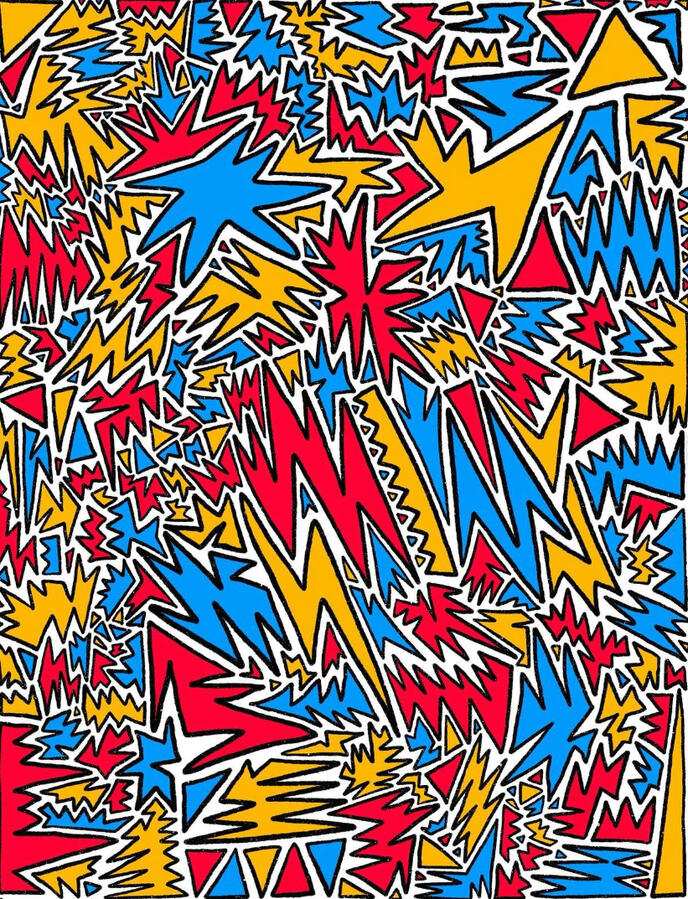
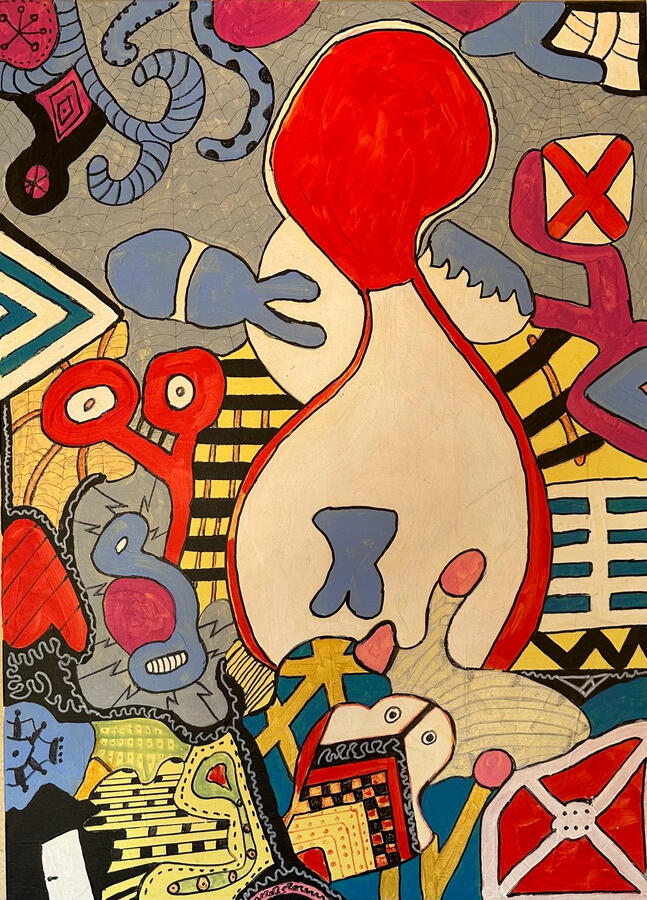
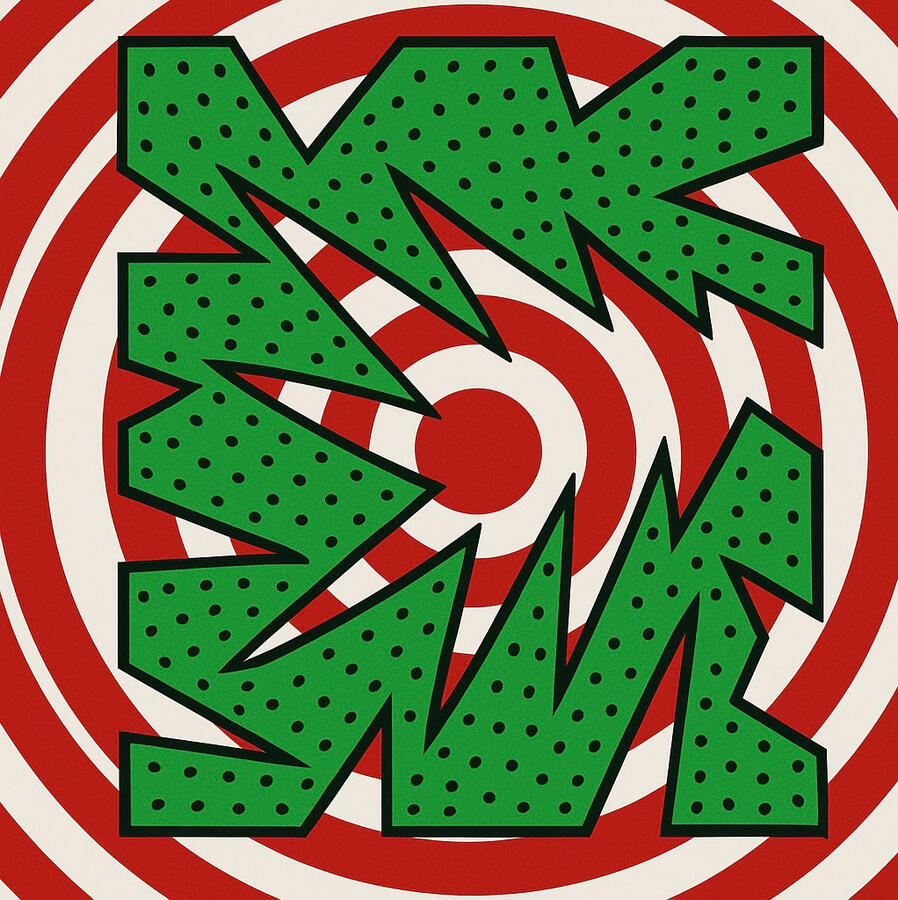
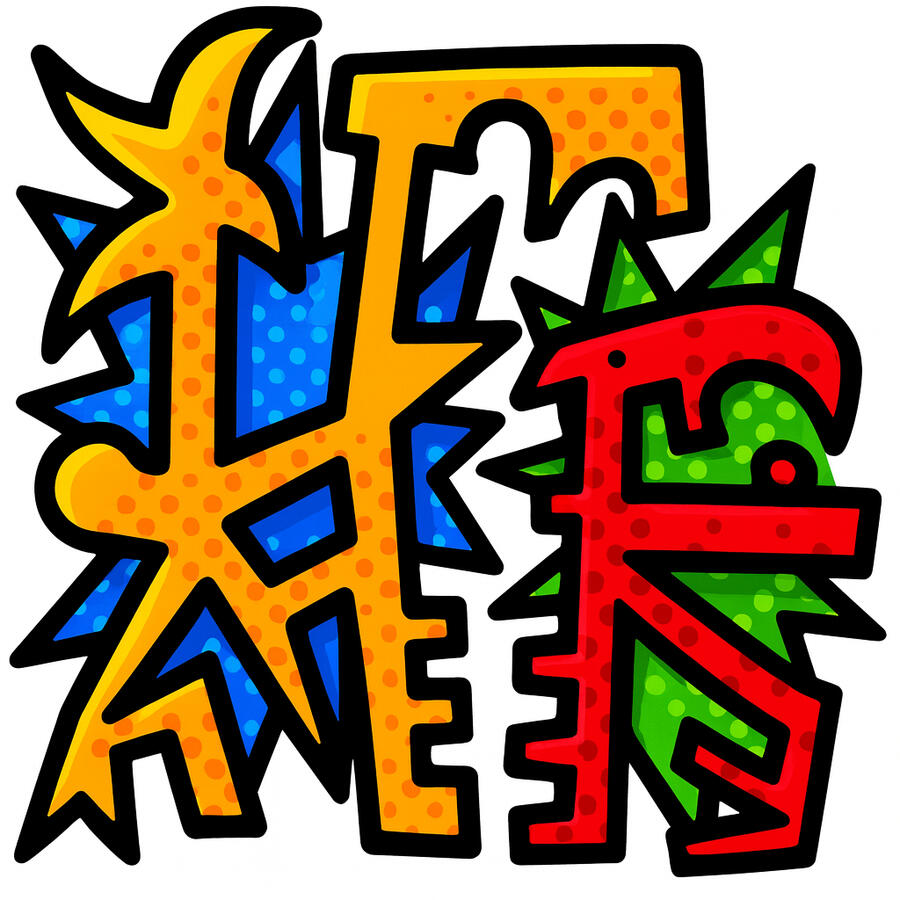
November 2020Maximilian Götzen’s exhibition does not try to charm the viewer, and it certainly doesn’t try to explain itself. What it delivers instead is a barrage of tightly controlled images that sit somewhere between pop art and abstraction or more accurately: Pop Abstraction. His work keeps pop’s punch and graphic force while discarding many of its jokes, references, and easy pleasures.At first glance, some of the paintings hit hard. Bold colour, heavy outlines, repeated figures, and recurring symbols create an immediate visual impact. This is work that wants to be seen from across the room. But the longer one looks, the clearer it becomes that these are not expressive paintings in any traditional sense. They are constructed, locked down systems. Lines behave like routes, figures like markers, symbols like signals. Nothing feels accidental, and very little feels loose.That discipline is both the work’s strength and its problem. At its best, Götzen’s Pop Abstraction generates a sense of pressure and intensity that is difficult to ignore. The paintings feel full, crowded, even aggressive, as if they are pushing information toward the viewer rather than inviting interpretation. There is a blunt pleasure in this refusal of subtlety. The work does not whisper; it insists.At the same time, some paintings are so dense, so evenly saturated, that they leave nowhere to rest. Visual hierarchy collapses. The eye begins to slide rather than settle. In these moments, the system feels a little too well protected, repeating itself with near military discipline. One senses that the rules are being obeyed because they must be, not because they still need to be tested.The figures that appear throughout the exhibition are deliberately anonymous and schematic. They neither narrate nor emote. This gives the work a cool, distant tone that sharply separates it from pop art’s traditional engagement with desire, humour, or social reference. For some viewers, this will feel refreshingly uncompromising. For others, it will feel withholding as if the work is more interested in control than connection.Still, there is something compelling about Götzen’s refusal to soften his position. These paintings are certainly decorative, but they are not polite. They construct a closed visual world and dare the viewer to remain inside it. Whether that world feels immersive or claustrophobic will depend on one’s tolerance for density and repetition, but the stance is unmistakable.The exhibition may frustrate as much as it rewards, but it does not hedge its bets. Götzen is not trying to please everyone and in a moment when so much contemporary pop has become safe, ironic, and aggressively market friendly, that refusal may be the most pointed gesture of all.